Media literacy requires critically evaluating the media we create and the media we view. Today I was tasked with prompting an ai chatbot to create a blog post for me about a topic I know well and then to evaluate its response, and edit for factual errors and style.
Since I already have an account, I used ChatGPT. The prompt I used was “Write a 250 word blog post about what propaganda is and about its relationship to art.” One thing I noticed right away, is that the response was influenced by what “my” GPT knows about me. The beginning of the text did discuss the specifics of propaganda but very quickly it brought up propaganda posters, which I’ve evaluated using ChatGPT before. What is unclear is how much and in what ways the generated text is influenced by my previous interactions with ChatGPT.
One piece of text really stood out as problematic:
But unlike pure art, which invites interpretation, propaganda tells you what to think.
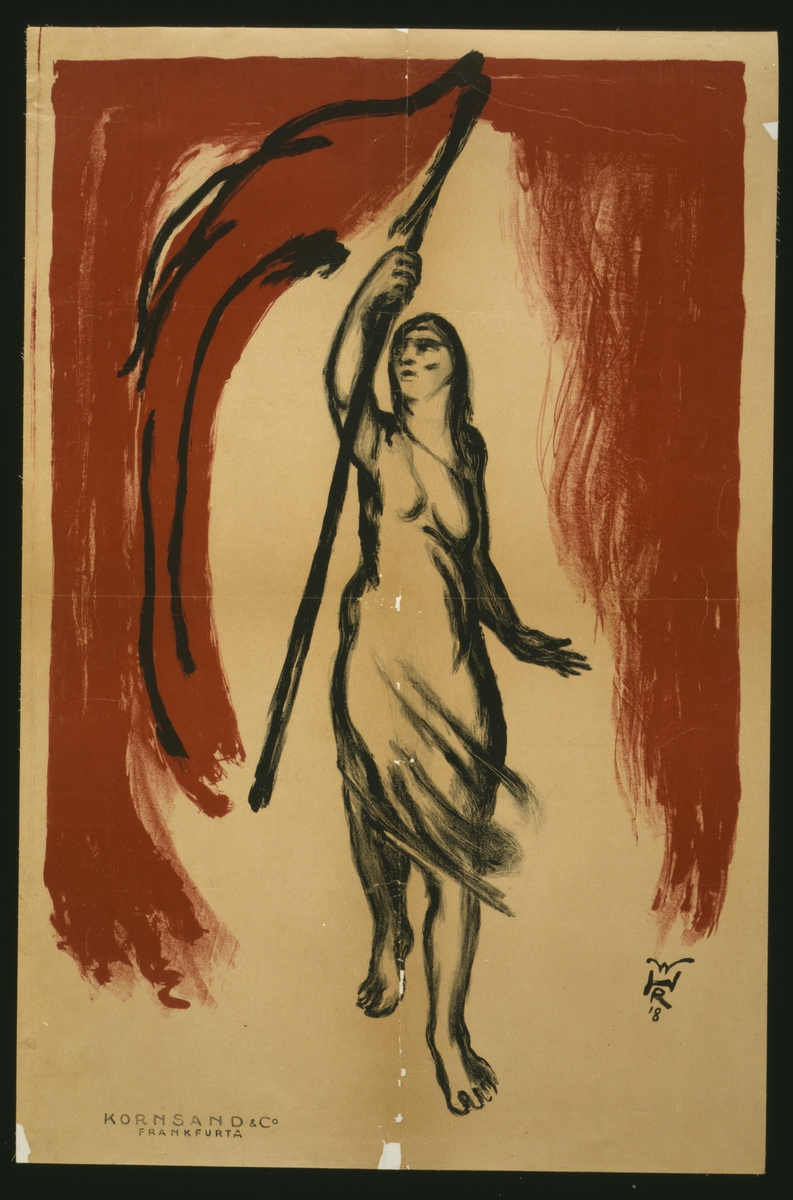
First of all, “pure art” – yikes! Maybe it’s just a sign of the times, or maybe the times sound like 1930s Germany, but so does the idea of “pure art.” Furthermore, propaganda doesn’t tell you what to think. That’s what THEY want you to think. Propaganda is the message, but it doesn’t speak for itself. so its important to interpret it in terms of who created it and who it was created for. A propaganda message might “say” a message and that message may mean different things to different people. A propaganda piece may only be meant to evoke a feeling, like this German poster from 1918.
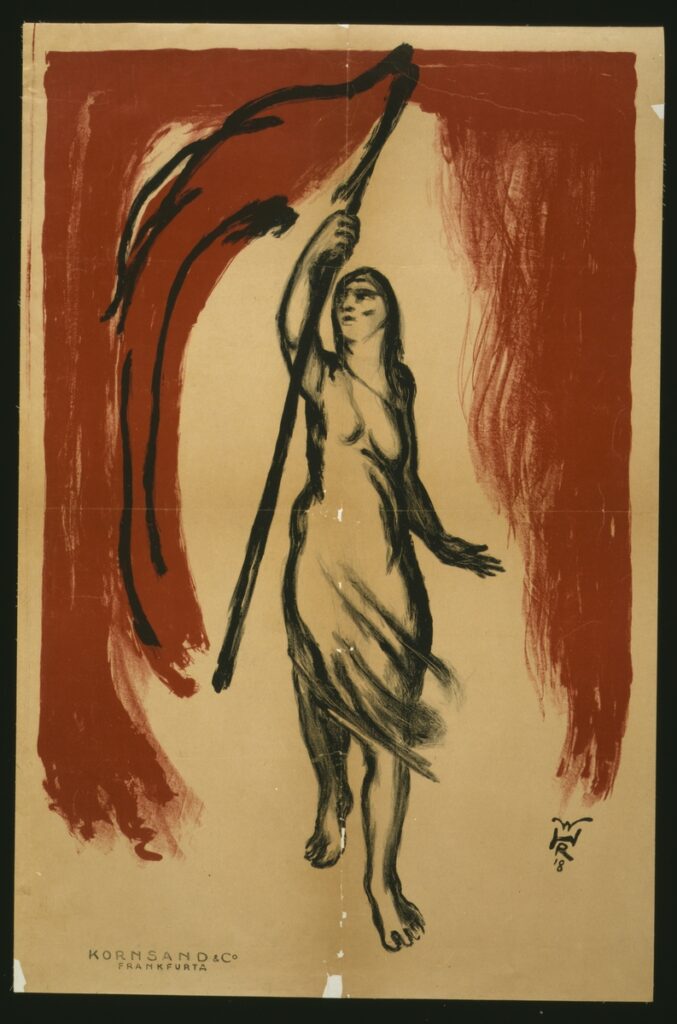
More: Original public domain image from Library of Congress
What really struck me in editing this generated text was that by starting with what it created, I was letting it guide the entire narrative of my post, which I really didn’t like. Even though I went back in and fact-checked, there are many more aspects to a piece of content than whether or not it contains inaccuracies. What is, or is not included plays a big part in a narrative and by issuing a prompt and then editing what was created, not only have I not created my own narrative, but I am also working uphill in trying to insert any authenticity.
I think ChatGPT and other ai, can do a really good job of “sounding” right. In the case of topics like art and propaganda, that are more subjective, it almost seems easier for a concept to “sound right” when it isn’t. Ultimately this exercise was a good reminder of the limitations and dangers of ai technology.